GET MOVING. GET FIT. AND GET ON WITH YOUR LIFE.
Science-backed training to build a strong, capable body that lasts – without hurting yourself.

STEP 1:
THINK & TRAIN DIFFERENT.
STEP 2:
GET UNCOMMON RESULTS.
STEP 3:
LIVE LIKE YOU’RE MEANT TO.
THE UNCOMMON FITNESS JOURNEY
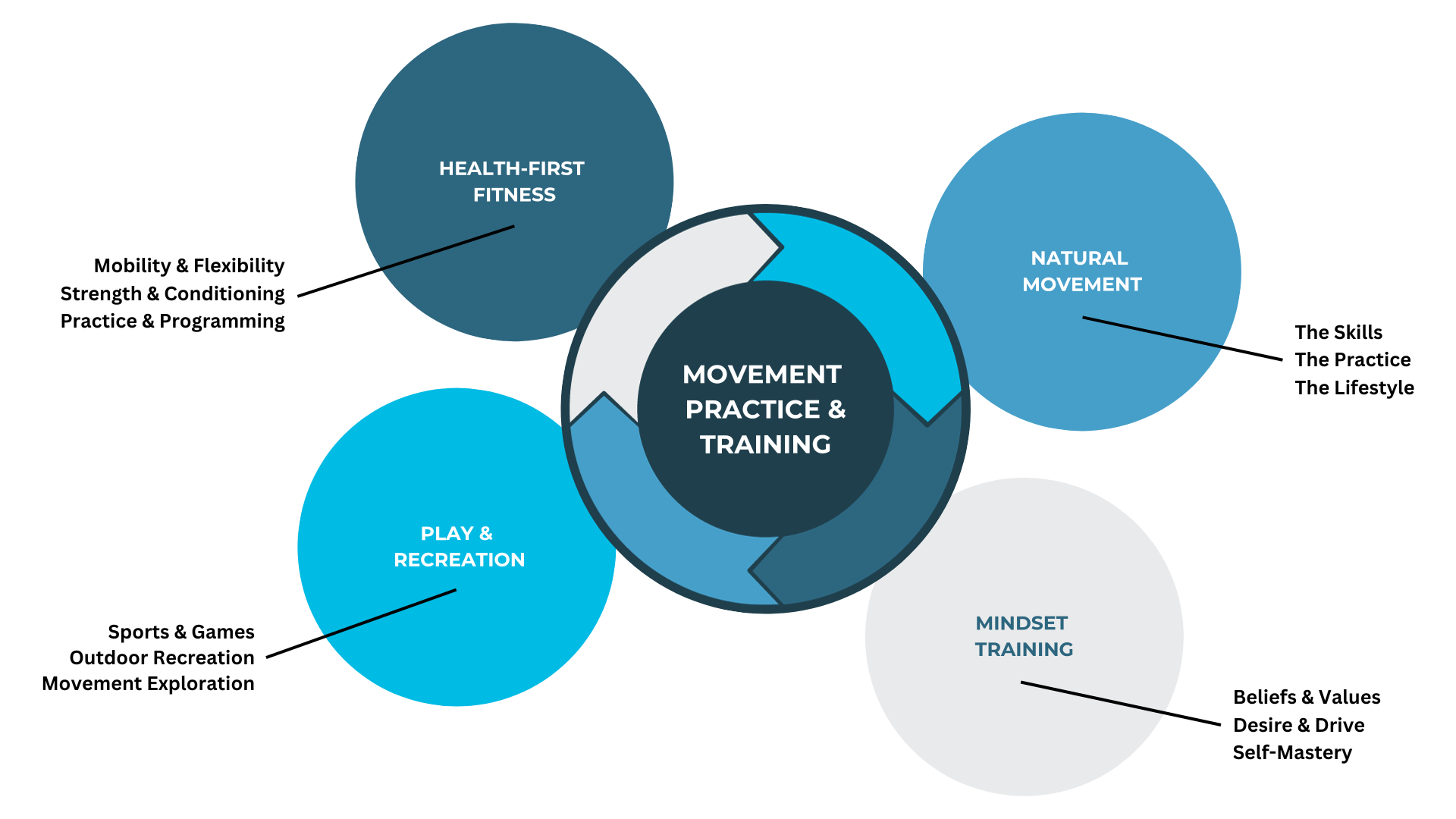
Achieve uncommon vitality and live for something greater with a one-of-a-kind approach to health-first fitness, natural movement, and purpose-driven training.
LIVE LIKE YOU’RE MEANT TO.
TRAIN LIKE YOU MEAN IT.
Your #1 Source for Health-first Fitness and Movement Training Since 2008.
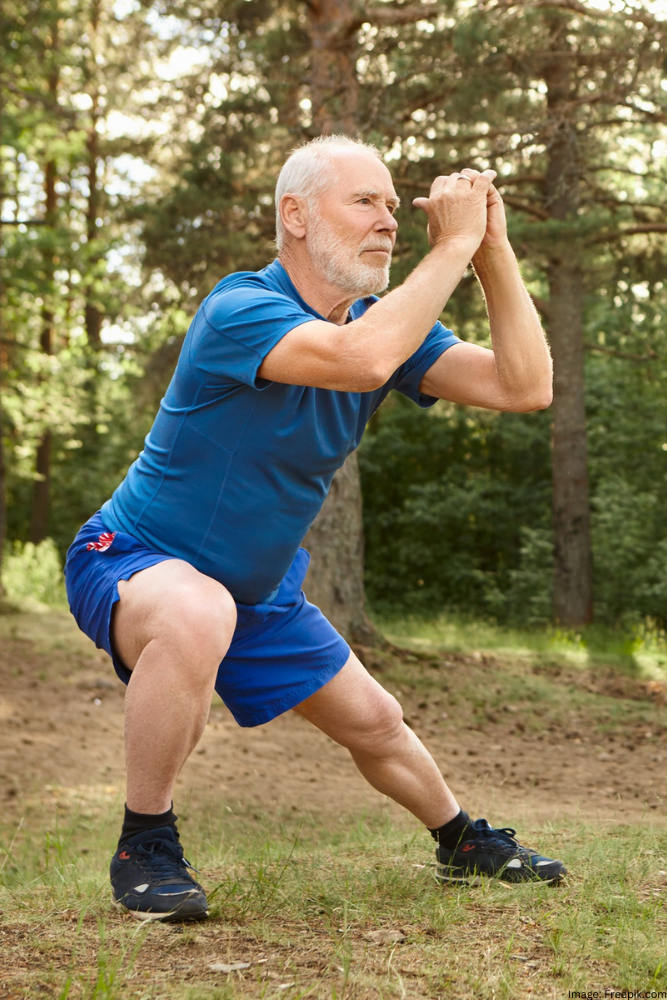
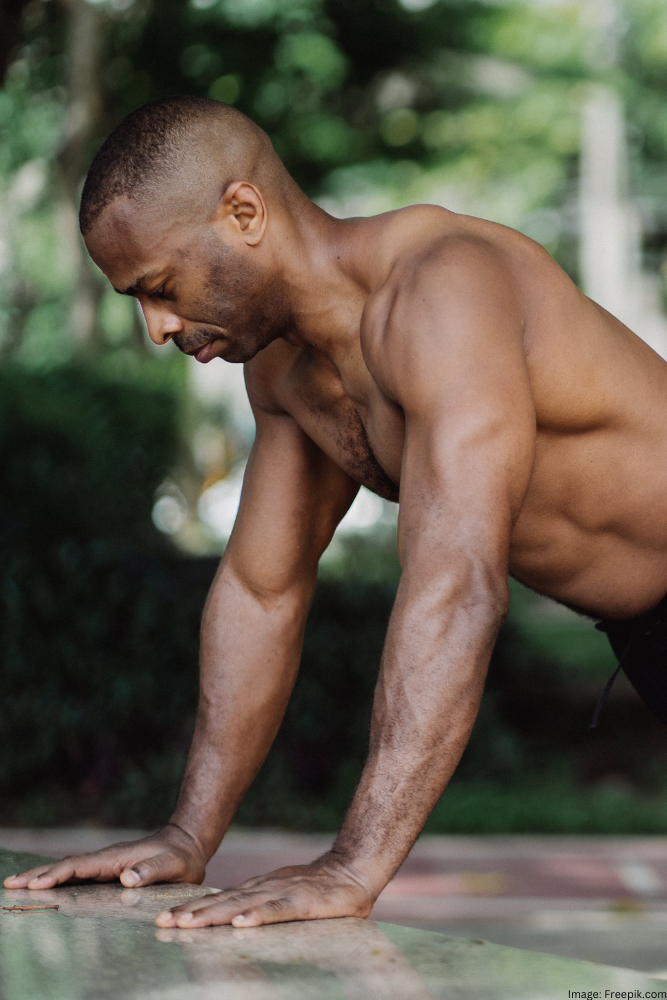
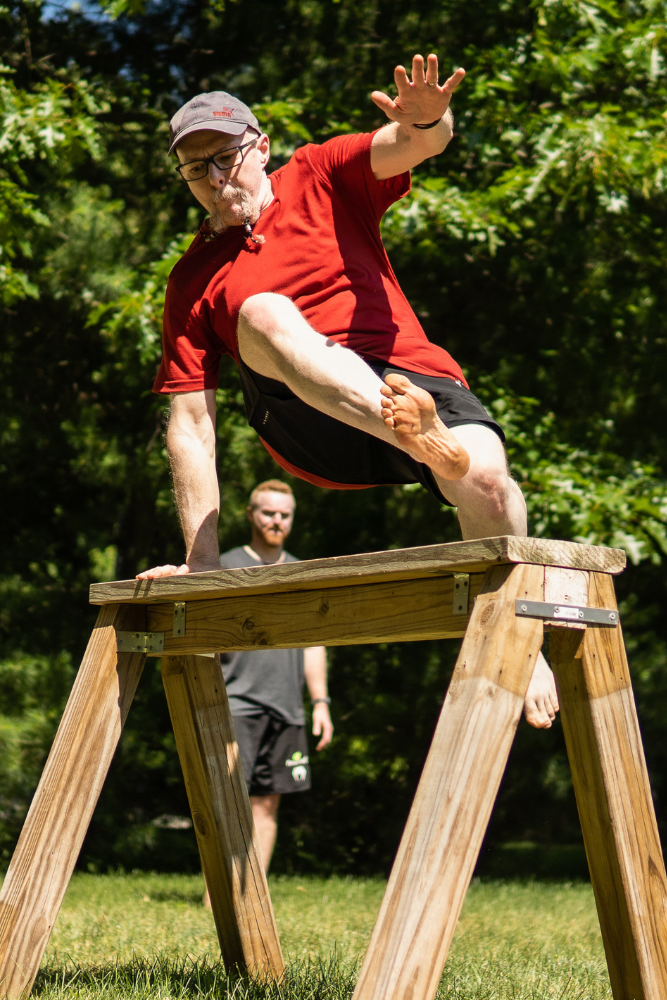

ARTICLES, PROGRAMS, AND MORE!
How to do a Plank: Proper Plank Form
Learn How to do a Plank With Proper Form Using This Summary…
The Definitive Guide to Sleeping Like a Baby Every Night
20 Tips to Troubleshoot Your Sleep so that you can Spring out…
What I Learned After 1 Year of Cold Showers
How I Jumped Into Cold Showers, 10 Lessons Learned, How To Get…
Deep Squats: How To Squat Deep in 30 Days or Less
Improve Your Squat Depth, Mobility, and Flexibility With These Squat Mobility Exercises…
Interview with Greg Carver about Unconventional Fitness For Older Men (Part 1)
Greg Carver, owner and founder of StrengthBox Note:…
How to do Pushups with Optimal Technique For Better Results and Less Injuries
This article and video is about how to do pushups with optimal…
15 Ways to Prevent and Heal Muscle Soreness
Got sore muscles? This new product will help. We’ve all been there….
How to Relieve ANY Type of Stress and Relax Yourself Instantly With This Simple Breathing Trick
Maybe you’ve already heard of square breathing. It’s a fairly common practice…
How to Equip an Awesome Home Gym on a Tight Budget
The Definitive Guide To Setting Up A Home Gym That Suits Your…
50 Ways To Make Your Fitness & Training Health-First
You and I can learn a lot from a man like Ron…
How to do Bodyweight Squats with Excellent Technique
Most people can squat. But very few can squat properly. Even fewer…
How to Rapidly Increase Your Pullup Numbers in 3 Months or Less
A Complete Pullups Workout Program to Help You Shatter Your Personal Record…
Epic 500th Blogpost: 100 Fitness Lessons I’ve Learned About What’s Really Important (Do This Stuff to Succeed)
note: make sure you don’t miss my NEW training compilation video that…
5 Simple Exercises to Reverse the Damage from Sitting in Only 5 Minutes a Day
5 Unconventional Exercises to Counter-Act the Negative Effects of Excessive Sitting and…
6 Baby Steps To Quickly and Easily Improve Your Health & Fitness
Get Off to a Great Start in Your New Fit Lifestyle by…
RECENT POSTS
- The MovNat Certification: Complete Review of Levels 1, 2, and 3.
- 6 Fitness Sandbags Compared: The Ultimate Sandbags Review
- MovNat Aquatics: How I Got Comfortable in the Water After a Lifetime of Fearing It (Review)
- What I Learned at the MovNat Combatives Certification (Review)
- MovNat Immersion: The Ultimate Natural Movement® Challenge (REVIEW)
- Interview with Greg Carver about Fitness for Older Men (Part 2)
- Interview with Greg Carver about Unconventional Fitness For Older Men (Part 1)
- Interview with Julie Angel about Parkour and the Power of Movement
👉 More free resources.
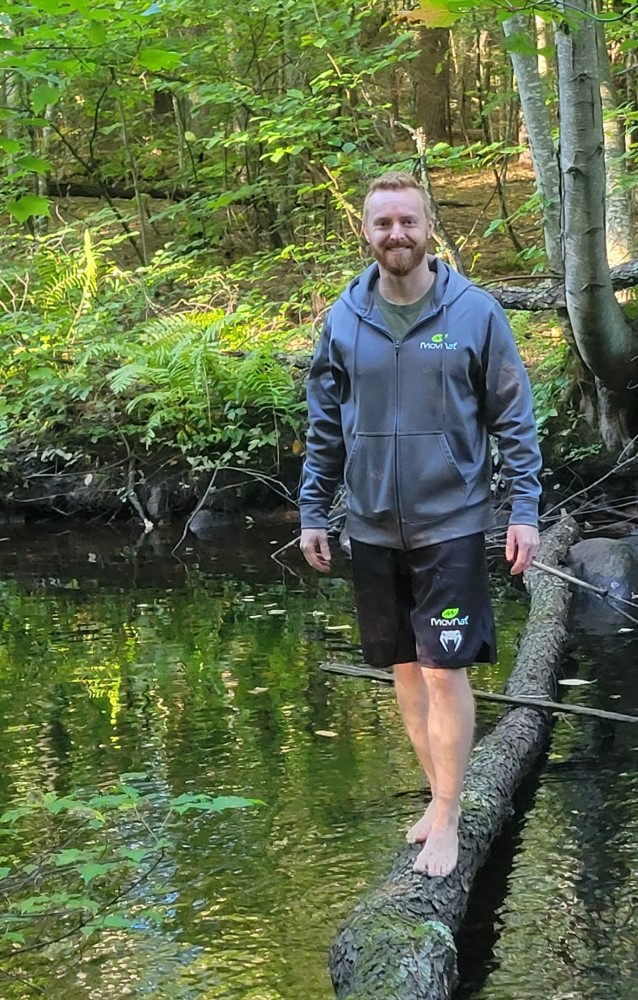
Hi, I’m John, your health-first fitness coach!
As a young man, I went from being a star athlete to a broken “has-been” in less than a year. My doctors told me it was bad; I’d be debilitated for the rest of my life.
After struggling with pain, injuries, and dysfunction for years, I used Health-First Fitness, Natural Movement, and other practices to rebuild my body from the ground up, and I’ve been teaching other men to do the same since 2006.
I learned a lot during my journey, and it would be an honor to help you with yours.
LIFE’S TOO SHORT TO FEEL OLD AND MISERABLE
START REBUILDING YOUR BODY TODAY
Remember when you felt unstoppable? When you could tackle any challenge with confidence? That’s how life is supposed to be. You are meant to be healthy, resilient, and capable well into old age.
But sometimes, life happens.
Uncommon Approach.
UNCOMMON RESULTS.
“I can’t tell you how happy I am right now: just ****** exuberant. Everything feels tight, strong, connected. Thank you again, please excuse my gushing, but morale is just through the roof right now!”
Hugh Fathers, Artist
“I haven’t felt this good since the mid 90’s.”
“A month after my 61st birthday, I was overweight by about 7kg, with type 2 diabetes, and some spinal nerve damage. I needed to find some exercises I could do, that wouldn’t aggravate my back condition. When I first started, I could almost do a single chin-up, and could manage about 3 push-ups. Now, almost 6 months later, and on pretty much a daily basis, I am doing 5 alternating sets of the following: chin-ups (8, 7, 6, 5, 4), push-ups (25, 20, 15, 10, 5), plank (5 x 1 min), and prison dips (5 x 20 reps). I haven’t felt this physically good since the mid 90’s. Thank you for this, John, just what I needed.”

– Dawn Williams, Engineer
Dawn fixed her ankles and finished her first marathon.
“I’ve had ankle issues for years and John soon had me pain free by doing mobility exercises on almost a daily basis for the several months leading up to my walking marathon. They were simple and easy, just a few minutes a day, and it made all the difference. Last October I walked my marathon, a goal I had tried to get to for the past 6 years. I believe anyone that chooses John as their coach will reap great physical and mental benefits quickly and find themselves a life long cheerleader. He isn’t your typical coach that’s for sure. I will be forever grateful to him as I’m sure anyone that hires him will be as well :)”
– Tom Venuto, best-selling author of Burn The Fat, Feed The Muscle & The Body Fat Solution.
Tom nailed 30 Pull Ups in less than 2 months, after being stuck for 20 years.
“I’ve known John Sifferman a long time. John is not only a respected fitness industry colleague, he’s also been a business associate who worked with our Burn the Fat company for years. He was a fantastic guy to collaborate with, and I had the opportunity first-hand to see how knowledgeable he is about exercise programming…Following the system in John’s Pull-Up Solution program, I reached a lifetime personal record of 26 reps, then continued on to 27, 28, 29, and ultimately 30 consecutive reps. I did it in less than 2 months, after being stuck for 20 years.”
👉 More success stories.
The only newsletter you need for outstanding health and fitness results. (Coming soon!)
LIVE AND TRAIN FOR A HIGHER PURPOSE.
Join our Uncommon Fitness Community of 22,595 strong and receive top strategies and tactics you won’t find anywhere else. Let us help you connect the dots for lifelong health and fitness results.
1x/week | < 5 min | 100% free